
cropper
update
Authority Network HQ
update
  • Home
  • Categories
    • After An Accident
    • Legal Help
    • Medical Recovery
    • Vehicle Replacement & Deals
    • Featured Businesses
    • Consumer Guides
    • Featured Deals & Promotions
June 02.2026
1 Minute Read

Don't Make This Costly Mistake When Hiring a Personal Injury Attorney

Imagine you've been hurt in an accident and suddenly your whole world shifts—medical bills pile up and every decision feels urgent. One crucial mistake, the choice of your personal injury attorney, can decide if you regain control or suffer lasting financial and emotional setbacks. This article reveals what separates a top injury lawyer from the rest and shows how the right law firm can change your future.

It Only Takes One Costly Mistake: Why Choosing the Right Personal Injury Attorney Matters

When you're faced with the aftermath of an injury, whether from a car accident, slip and fall, or another incident, every step counts. Selecting the right personal injury attorney is not just another box to check—it's a decision that directly impacts both your recovery and your financial security. Countless injury cases have been won or lost based almost entirely on attorney choice. An experienced injury lawyer knows how to navigate insurance companies, gather vital evidence, and build a strong personal injury claim on your behalf.

Unfortunately, many clients make the mistake of choosing the wrong injury law firm simply because of flashy ads. What gets overlooked is a law firm's track record, specialized expertise, and transparency. By understanding what to look for—and what to avoid—you protect yourself from becoming another cautionary tale of lost settlements or denied claims. Let's walk through why your choice matters and how you can sidestep the most common and costly mistake when hiring a personal injury attorney.

Serious trustworthy personal injury attorney consulting with a client in a professional law office

Imagine This: The Long-Term Impact of a Poor Personal Injury Attorney Choice

Picture this: You're counting on compensation to cover your injuries, replace lost income, and plan for future medical needs. However, your chosen attorney is inexperienced, doesn't specialize in personal injury law, or lacks a track record of success. As your injury case unfolds, you notice missed deadlines, incomplete paperwork, and poor negotiation skills with the insurance company. The result? An inadequate settlement or, even worse, a dismissed personal injury lawsuit. This scenario represents the real consequences people face when they make the wrong legal hire. The repercussions can stretch far beyond missed compensation—jeopardizing your recovery, your peace of mind, and your long-term well-being.

The right personal injury attorney can make all the difference by fighting for your rights from day one. They possess the expertise, negotiation tactics, and dedication necessary to secure the compensation you deserve. Don't underestimate how one hiring decision can influence your entire journey to justice.

The Critical Role of a Personal Injury Attorney in Your Recovery and Case

A personal injury attorney is much more than just legal representation—they are your advocate, guide, and protector throughout the complex aftermath of an accident. From the moment you seek legal services, a qualified injury lawyer steps into your shoes, dealing with paperwork, communication with insurance companies, and gathering medical and accident evidence. They protect your rights, keep you informed, and fiercely negotiate your personal injury claim.

Many clients overlook the strategic importance of this role. Experienced personal injury attorneys know what evidence to collect, how to present your case persuasively, and when to push back against insurance company's tactics. Beyond the logistics, their expertise in injury law means you'll have a knowledgeable ally by your side at every stage, maximizing the odds of a favorable settlement or court outcome.

What You'll Learn About Hiring a Personal Injury Attorney

  • How to avoid the most common mistake when selecting a personal injury attorney
  • The importance of selecting a reputable law firm for your personal injury case
  • Key qualities to demand from your personal injury lawyer
  • The influence of insurance companies on your injury claim
  • What sets top injury lawyers apart from the rest

Thoughtful person researching personal injury attorneys online using a laptop

Understanding the Role of a Personal Injury Attorney

What Is a Personal Injury Attorney?

A personal injury attorney is a legal expert whose practice focuses solely on representing injury victims. Unlike other areas of the law that handle a broad range of issues, personal injury lawyers concentrate on injury law and related cases. They advocate for individuals harmed by another's negligence—such as car accidents, slip and fall, wrongful death, or even product liability claims. Their objective is to help you recover financial compensation for medical expenses, lost wages, pain and suffering, and other damages resulting from someone else's actions.

Selecting a specialized personal injury attorney ensures that your unique legal needs are addressed by someone who deeply understands this field's complexities. Their insights can tip the scale in favor of a just outcome for your personal injury claim.

How a Personal Injury Lawyer Can Make or Break Your Injury Case

The complexity of a personal injury case means that even minor errors—such as missing a deadline, misfiling paperwork, or failing to gather crucial evidence—can jeopardize your entire claim. When you hire a skilled injury lawyer, you gain an advocate with a deep understanding of legal timelines, evidence requirements, and proven negotiation tactics. They drive your claim forward, knowing how to counter the opposing side's strategies and ensure you receive maximum compensation.

Conversely, inexperienced injury attorneys may be outmaneuvered by insurance companies and seasoned defense lawyers. The right attorney brings far more than legal knowledge—they bring confidence gained by fighting and winning many similar personal injury cases, ensuring your voice is heard and protected in negotiations or in court.

Personal Injury Law vs. Other Practice Areas: Why Specialization Matters

Not all lawyers—and not all law firms—are created equal. While some attorneys handle various cases like real estate or criminal defense, personal injury law requires a specialized set of skills. Each injury case is unique, with evolving laws and insurance company tactics that general practitioners may not fully grasp. Specialized injury lawyers stay updated on changes in personal injury statutes and advances in medical understanding that affect claim value.

Choosing a firm and attorney who have dedicated their careers to injury law gives you a strategic advantage—whether negotiating settlements or presenting intricate legal arguments in court. Specialization is key to successfully navigating the nuances of your personal injury lawsuit.

Professional personal injury attorney reviewing case files and evidence in a law office

The Number One Mistake When Hiring a Personal Injury Attorney

Relying on Marketing Alone: Red Flags to Watch For in a Law Firm

In today's competitive legal field, it's common to encounter law firms that invest heavily in advertising—on billboards, television, and online. While a law firm's polished ads may grab attention, don't mistake marketing for genuine expertise. The biggest pitfall? Hiring a personal injury attorney based solely on a catchy ad or bold promises. Many high-advertising firms handle massive caseloads, leading to less personalized attention and a higher chance your case becomes just another file in a stack.

Look for red flags such as vague guarantees, lack of clear experience detailed on their website, or reluctance to share case outcomes. A reputable law firm should be transparent about its track record with injury cases and happy to connect you with former clients or provide documented results.

The Risks of Choosing an Inexperienced Personal Injury Lawyer

Selecting an attorney with little experience in injury law can dramatically impact your claim's outcome. Inexperienced lawyers may lack negotiation skills, miss critical evidence, or struggle with complex legal issues unique to personal injury lawsuits. The consequences could mean receiving only a fraction of your rightful compensation, lengthy delays, or the outright loss of your claim.

Seasoned personal injury attorneys have handled a variety of injury cases before—knowing the tricks insurance companies use and how best to counter them. Don't put your recovery in the hands of someone who's learning on the job; insist on proven experience in personal injury law.

Why Experience in Injury Law and Personal Injury Cases Is Essential

When you hire a personal injury attorney with a deep background in injury law, you benefit from knowledge gained through direct courtroom battles, successful negotiations, and years spent advocating for victims like you. These lawyers know the proper procedures for gathering medical records, securing expert witnesses, and appraising the real value of pain and suffering or future medical needs.

More importantly, an experienced attorney is better positioned to anticipate and overcome obstacles—whether they're disputes with insurance companies or last-minute legal challenges. For your best shot at a successful injury claim or lawsuit, make sure your attorney brings not just legal services, but a robust history of actual results.

Disappointed client looking at flashy legal advertisement for injury attorneys

Top Qualities of a Trustworthy Personal Injury Attorney

Track Record of Success with Personal Injury Claims and Cases

A trustworthy attorney doesn’t just claim to be the best—they prove it through a consistent record of winning personal injury cases. Look for an attorney or law firm that offers tangible evidence of their legal victories, settlement amounts, or trial outcomes in similar injury cases to yours. High success rates demonstrate familiarity with various injury case complexities, from car accidents to wrongful death suits.

Don’t be afraid to ask for client testimonials or references. A top injury lawyer will be proud to share their client success stories, percentage of favorable settlements, or courtroom victories. These records speak volumes about their skill, determination, and respect in the local legal community.

Transparent Communication: What to Expect from a Law Firm

Clear, regular communication is a hallmark of any reliable personal injury attorney. From your first contact to the final resolution of your injury claim, you should expect detailed updates about your case's progress, timelines, and next steps. A strong attorney encourages questions and answers each one honestly, ensuring you understand the process and feel supported throughout your case.

Watch for red flags such as unreturned calls, vague responses, or reluctance to explain legal fees like contingency fee or fee basis terms. The best law firms believe in empowering clients with knowledge and fostering trust through every interaction.

Access to Free Consultation and Clear Legal Guidance

Top personal injury attorneys typically offer a free consultation, allowing you to share your story and ask vital questions before making a commitment. During this meeting, assess whether the lawyer provides clear, jargon-free legal guidance and accurately outlines the steps involved in your injury claim or injury lawsuit.

A free consultation not only protects you from upfront costs, but also gives you insight into the law firm's culture and the attorney's commitment to your case. The willingness to educate you, explain the contingency fee structure, and detail your claim’s prospects is a vital sign of transparency and professionalism.

Professional personal injury attorney shaking hands with client in office entryway

How a Quality Personal Injury Attorney Handles Insurance Companies

Navigating Insurance Company Tactics During Your Personal Injury Claim

Insurance companies are skilled at minimizing payouts for injury claims, often using complicated forms and aggressive negotiation tactics to pressure injury victims. A quality personal injury lawyer knows exactly how to handle these companies—anticipating their moves, demanding fair treatment, and presenting clear arguments supported by evidence.

Whether your case involves a car accident, slip and fall, or even product liability, experienced attorneys understand common ways insurers try to delay settlements or reject valid claims. With the right advocate, you avoid being shortchanged and keep your focus on recovery, not paperwork battles.

Maximizing Your Settlement with the Right Injury Lawyer

The primary goal in hiring a personal injury attorney is ensuring you receive every dollar you’re owed after an accident. Skilled injury attorneys know how to value complicated damages like pain and suffering or future medical needs. They aggressively negotiate with insurance companies, presenting medical records, accident evidence, and expert testimony that drive up your claim’s value.

If negotiations break down, proven trial attorneys stand ready to take your personal injury lawsuit before a judge and jury—putting the insurance company on notice that you won’t settle for less than your due compensation. This relentless advocacy gives you the upper hand at every stage.

Determined personal injury attorney negotiating insurance claim on phone

Key Steps to Hiring the Right Personal Injury Attorney

  1. Research law firms specializing in personal injury law
  2. Schedule a free consultation with potential injury lawyers
  3. Ask the right questions about experience with injury claims
  4. Review the attorney’s approach to working with insurance companies
  5. Select the personal injury attorney who aligns with your needs and goals

Cautious person comparing personal injury attorney options at kitchen table

Table: Comparing Personal Injury Attorney Qualities

Quality Experienced Injury Attorney General Practice Lawyer
Experience Years (often decades) focused on personal injury law Handles a range of case types
Success Rate High rate of favorable injury claim settlements Less specialized experience, variable results
Communication Clear, regular updates—transparent about process and fees May lack injury claim communication rigor
Specialization 100% dedicated to injury law cases and lawsuits Multiple areas, not injury-focused
Free Consultation Offered as standard practice Not always available

Business professionals and personal injury attorneys comparing legal case success charts

Real Insights: Quotes From Leading Personal Injury Attorneys

"Choosing the right personal injury attorney is the single most important decision you can make after an accident."
"Avoiding flashy advertising and focusing on proven results can be the difference between winning and losing your injury case."

A brief, professional video demonstrates a personal injury lawyer’s commitment, from reviewing documents and meeting clients, to negotiating with insurance companies—and celebrating case wins. See the expertise and caring legal support that set the best injury lawyers apart.

People Also Ask: Personal Injury Attorney Questions Answered

Is it worth suing for personal injury?

Answer to 'Is it worth suing for personal injury?'

Yes, it is often worth pursuing a personal injury lawsuit if you’ve been harmed due to someone else’s negligence. A successful injury claim can help compensate you for medical bills, lost wages, and suffering that might stem from accidents like car crashes or slip and falls. Consulting a specialized personal injury attorney helps assess the strength of your case and guides you toward fair compensation, especially when dealing with complex insurance company disputes.
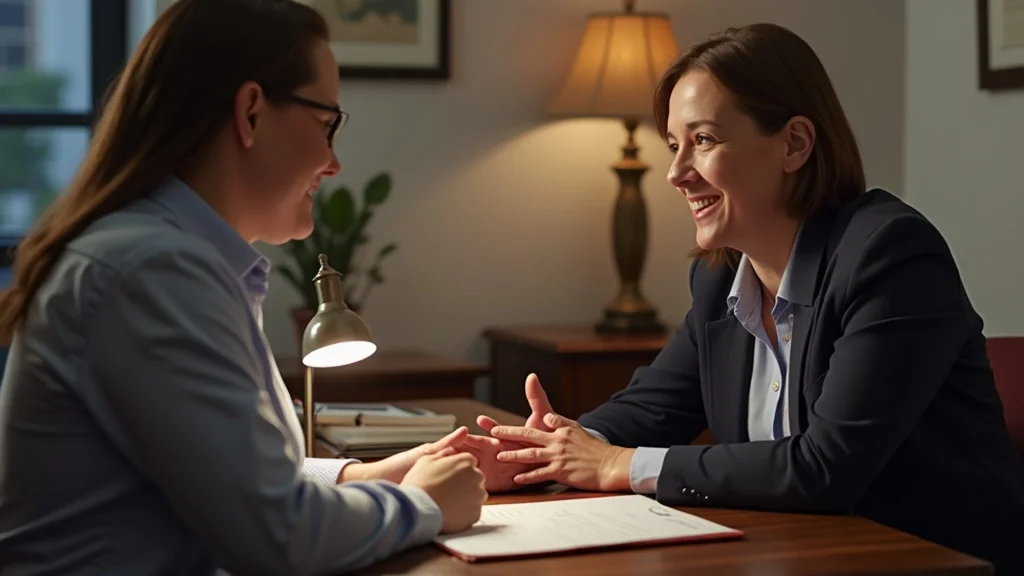
Hopeful accident victim relieved after consulting personal injury attorney

What not to say to a personal injury lawyer?

Answer to 'What not to say to a personal injury lawyer?'

Avoid exaggerating or misrepresenting details about your accident when meeting your attorney. Never hide previous injuries, pre-existing medical conditions, or omit communication received from insurance companies. Honesty is critical when working with your injury lawyer; full disclosure ensures your attorney can provide the best representation and prevents issues from undermining your personal injury claim in court.

How much will I get from a $50,000 settlement?

Answer to 'How much will I get from a $50,000 settlement?'

The actual amount you receive from a $50,000 settlement will depend on various factors, such as attorney fees (often billed on a contingency fee basis), outstanding medical bills, and liens. Your injury attorney will explain how costs are deducted and what portion is yours after all fees and expenses are settled, so you’re never left guessing about your net compensation.

What is a personal injury attorney?

Answer to 'What is a personal injury attorney?'

A personal injury attorney is a legal professional specializing in representing people harmed due to another’s negligence. Their expertise covers investigating your case, negotiating with insurance companies, and helping you recover financial compensation through settlements or personal injury lawsuits.

FAQs About Choosing a Personal Injury Attorney

  • How do I know if a personal injury attorney is reputable?
    Seek testimonials or reviews, ask about successful settlements, and verify their experience handling similar personal injury cases. Transparency and a detailed process overview signal trustworthiness.
  • What questions should I ask during the free consultation?
    Ask about their experience with your type of injury case, approach to insurance companies, expected timeline, communication frequency, and fee structure.
  • What role do insurance companies play in personal injury claims?
    Insurance companies often defend the at-fault party and aim to minimize payouts. An experienced attorney negotiates on your behalf for fair compensation.
  • Can I switch injury lawyers mid-case?
    Yes, clients may change attorneys if unsatisfied, though consider how this may affect case progress and timelines.
  • How does experience in injury law affect my injury lawsuit outcome?
    Extensive experience leads to better knowledge of claim processes, local courts, and effective negotiation, usually resulting in higher settlements and successful verdicts.

Detail-oriented personal injury attorney answering client questions

In this short video, real clients share how top personal injury attorneys helped them win compensation and peace of mind after an accident. They praise clear communication, compassionate support, and impressive settlements.

Key Takeaways: Hiring the Best Personal Injury Attorney

  • The right personal injury attorney can significantly increase your compensation.
  • Always research a law firm’s experience in injury law and personal injury cases.
  • Clarity, communication, and free consultations are signs of a trustworthy attorney.
  • Avoid being lured by advertising—focus on proven personal injury claim results.
  • Strong attorneys handle insurance companies and complex personal injury lawsuits with confidence.

Satisfied personal injury attorney clients celebrating a successful case outside courthouse

Ready to Secure Your Rights? Connect with a Top Personal Injury Attorney Today

Don’t let one costly mistake shape your future. Take charge of your recovery by researching, consulting, and partnering with a dedicated personal injury attorney. The right law firm will guide you through every challenge—so you can focus on healing while your attorney takes care of the rest. Contact a trusted injury lawyer for your free consultation today and maximize your injury claim outcome.

Sources

  • https://www.nolo.com/legal-encyclopedia/what-does-a-personal-injury-lawyer-do.html
  • https://www.avvo.com/legal-guides/ugc/how-to-choose-the-best-personal-injury-lawyer-for-your-case
  • https://www.alllaw.com/articles/nolo/personal-injury/when-you-need-lawyer-injury-case.html
  • https://www.justice.org/resources/personal-injury-lawyer

Featured Businesses

25 Views

0 Comments

Write A Comment

*
*
Please complete the captcha to submit your comment.
Related Posts All Posts

Struggling with personal injury lawyer? Here's the Fix

Imagine facing the aftermath of an accident, uncertain of your next legal step—this is a reality for many in need of a personal injury lawyer. Making sense of complex injury law, dealing with insurance companies, and finding a law firm that truly represents your interests can feel overwhelming. Whether you've been through a car accident, are dealing with lost wages, or navigating a complicated injury claim, knowing how to work effectively with personal injury lawyers could be the difference between peace of mind and ongoing struggle. This guide offers actionable solutions and expert insights, so you can move forward confidently and with clarity on your case. Navigating the Complex World of Personal Injury Lawyer Services Opening with an Observational Hook: Imagine facing the aftermath of an accident, uncertain of your next legal step—this is a reality for many in need of a personal injury lawyer. The world of personal injury law can be confusing, with many people feeling lost after an accident. Choosing the right personal injury lawyer is a crucial step in navigating the challenges of injury claims, insurance companies, and legal proceedings. For those unsure about their next move, the right law firm provides not only guidance but also emotional support. In urgent accident scenarios, time-sensitive decisions can make all the difference in your case. Knowing how to communicate clearly and selecting an experienced injury attorney ensures your rights are protected from start to finish. Personal injury cases vary, covering everything from car accidents to wrongful death claims. The aftermath involves pain and suffering, lost wages, and dealing with insurance adjusters who may not always have your best interests in mind. This is where a reputable law firm specializes—translating the complexities of injury law into clear, achievable steps. As you read on, you’ll discover proven solutions for each step of your injury lawsuit journey, from initial consultation through to settlement. What You'll Learn from This Guide on Personal Injury Lawyer Solutions How to identify a reputable personal injury law firm Critical questions to ask a personal injury lawyer Steps for maximizing your injury claim with experienced injury attorneys Key points about navigating insurance companies during your injury case Decoding the Role of a Personal Injury Lawyer in Injury Law How Personal Injury Lawyers Advocate for Your Rights Understanding personal injury law and its relevance Exploring the responsibilities of an injury lawyer within a law firm Personal injury lawyers play a vital role as your advocates against insurance companies and negligent parties. Their primary responsibility is to ensure you understand your rights within injury law and guide you through the complex process of an injury claim. At a top law firm, an injury attorney actively listens to your story, collects evidence, and crafts a case strategy tailored to your unique circumstances. With their support, you can feel empowered rather than overwhelmed, knowing that someone experienced is fighting on your behalf. The scope of a personal injury lawyer's work includes reviewing medical records, negotiating settlements for lost wages, and preparing you for trial if necessary. These attorneys work closely with clients to calculate economic damages and pain and suffering, ensuring you're not shortchanged by insurance companies. Their advocacy extends beyond legal paperwork; a good personal injury lawyer is a true partner in your recovery, focused on securing the best possible outcome for every client. Common Challenges When Managing Personal Injury Cases Why Many Clients Struggle with Personal Injury Lawyers Miscommunication with injury attorneys Uncertainty over economic damages and injury claim evaluation Confusion about personal injury lawsuit timelines Clients often encounter challenges when dealing with a personal injury lawyer or law firm. Chief among these is poor communication—a barrier that can leave you feeling forgotten or misunderstood during your injury case. Another stumbling block is a lack of clarity when it comes to estimating economic damages or understanding the full scope of what compensation can entail (such as lost wages or pain and suffering). Finally, confusion about the timeline of a personal injury lawsuit leaves many unsure about what to expect or how long it may take to resolve their case. All these factors combined can result in a frustrating experience, detracting from your recovery. Working with the right injury law firm is essential in overcoming these hurdles. Proactive communication, transparency, and realistic expectations are the foundation for a successful attorney-client relationship. Clients should seek firms with established processes and supportive staff—traits that signal the capability to handle all the nuances of personal injury law cases and deliver results. Personal Injury Lawyer vs. Injury Attorney: Key Differences Title Primary Role Key Focus Personal Injury Lawyer Legal Representation Maximizing damages, negotiations, client advocacy Injury Attorney Case Management & Trial Trial readiness, court filings, detailed legal strategy Critical Criteria for Choosing the Best Personal Injury Lawyer Evaluating Experience and Results in Personal Injury Cases When selecting a personal injury lawyer, experience is paramount. Look for evidence of past success, especially in personal injury cases similar to your own (such as car accidents or wrongful death lawsuits). Law firm track records, years practicing injury law, and individual attorney backgrounds all play a key role in predicting how your injury case will be managed and how likely you are to receive fair compensation. Additionally, consider the personal approach the law firm takes. Do they prioritize communication? Are they proactive in keeping clients informed about injury lawsuit progress, claim status, or developments involving insurance companies? Choosing the right injury law firm means opting for professionals whose expertise and dedication translate directly into better outcomes for you. Verifying Law Firm Reputation and Past Injury Lawsuit Success Checklist: Questions to Ask your Injury Law Firm Red flags to watch for in selecting an injury law firm A reputable law firm will be transparent about their results in personal injury claims, client testimonials, and willingness to provide references. Don’t hesitate to ask questions like: What is your experience with cases like mine? How do you communicate updates throughout my injury case? Are there previous settlements or verdicts you can share? What strategy do you use with insurance companies? Watch for red flags such as vague answers, reluctance to discuss past personal injury cases, or promises that sound too good to be true. The best injury law firms put honesty and client satisfaction at the forefront, helping you avoid disappointment later in the process. Maximizing Your Injury Claim: Strategies and Expert Advice Gathering Evidence for Your Personal Injury Case Collecting evidence is a vital step in every personal injury case. Supporting documents—from medical records and police reports to photos from the scene of a car accident—create the foundation for a strong claim. Keep a dedicated file of everything related to your injury case and keep digital backups as well. The more comprehensive your evidence, the stronger your negotiating stance with both the injury lawyer and the insurance company. Well-organized documentation demonstrates your injuries are real, your damages are justified, and your intent to pursue full compensation is clear to all parties involved. Working with Personal Injury Attorneys to Pursue Compensation Your partnership with an injury lawyer or injury attorneys should be built on trust and mutual goals. Collaborate by preparing questions ahead of meetings, responding promptly to information requests, and providing thorough documentation. An experienced personal injury attorney will assess both your short-term and long-term needs—estimating lost wages, medical costs, pain and suffering, and economic damages—to secure the maximum possible recovery. Don’t underestimate the value of ongoing communication. Ask your personal injury lawyers for updates and clarification as your injury claim progresses. Reliable attorneys are happy to educate their clients, empowering you to make informed decisions at each stage of the process. Negotiating with Insurance Companies and Understanding Lost Wages Claims Practical steps for preparing your personal injury claim Insurance companies often try to minimize payouts in personal injury cases, which makes negotiations challenging. Begin by calculating the full cost of your injuries, including lost wages, medical expenses, pain and suffering, and long-term impacts. Presenting this evidence-backed claim demonstrates your resolve and the legitimacy of your case. Your injury law firm or personal injury attorney will take the lead in negotiations, advocating fiercely on your behalf. Their experience with similar injury cases and strategies for dealing with insurance company tactics gives you the best chance for a favorable settlement. The Personal Injury Lawsuit Process: Step by Step From Filing to Settlement: What to Expect in an Injury Case Explaining statutes of limitations and wrongful death claims How injury law evolves in truck accident and car accident scenarios The process for a personal injury lawsuit begins with filing your initial injury claim with the help of an injury lawyer. Next, evidence is gathered and presented to insurance companies or the opposing party. Most cases settle during negotiations, but some proceed to court, where your attorney presents your injury case before a judge or jury. It’s essential to heed deadlines, such as the statute of limitations—in most states, you must file your claim within a certain number of years from the date of the accident or wrongful death. Cases, especially those involving car accidents or truck accidents, may require rapid action to preserve evidence and witness statements. Throughout, your law firm provides not just legal strategy, but also practical support in managing paperwork, deadlines, and communication with all parties. Timeline of a Typical Personal Injury Case Stage Approximate Duration Key Actions Initial Consultation Days to 1 week Meet law firm, discuss injury claim Investigation & Evidence Collection 1-3 months Gather records, witness statements, police reports Claim Filing & Negotiations 2-6 months Submit demand, negotiate with insurance companies Lawsuit Filing (if needed) 1-3 months File complaint, start formal litigation Settlement/Trial Varies Settlement or court hearing, receive compensation "A skilled personal injury lawyer can be your strongest advocate when facing large insurance companies," - sourced expert insight Navigating Insurance Companies in a Personal Injury Lawsuit Communicating Effectively with Insurance Adjusters Successful communication with insurance adjusters helps protect your rights and maximize your injury claim. Start every conversation prepared—document who you spoke with, summarize the discussion, and never sign or agree to anything without your injury lawyer’s review. Ensure you are consistent and clear to avoid misunderstandings that may affect your personal injury case outcome. Personal injury attorneys are trained in the tactics insurance companies use to limit payouts. Rely on their coaching for prepared responses—being concise, factual, and never volunteering unnecessary personal information that could negatively influence your claim. Avoiding Common Pitfalls When Dealing with Insurance Companies List: Key documentation to share during an injury claim Tips for securing fair compensation from insurance company negotiations Only provide documentation that has been approved by your injury law firm, which often includes medical records, pay stubs (for lost wages), and police reports. Avoid sharing personal diaries or non-essential information in early conversations. Work closely with your personal injury attorney before sending any documents. Respond promptly but cautiously to insurance company requests. Understand the full range of damages you may claim, from economic losses to pain and suffering, with your lawyer’s help. Patience and consistency, guided by your law firm, ensure a fair settlement for your personal injury lawsuit. Frequently Asked Questions About Personal Injury Lawyers Is it worth suing for personal injury? Answer: Pursuing a personal injury claim is often worth it if you have significant medical bills, lost wages, or suffer long-term pain and suffering from an accident. Lawsuits, especially when handled by experienced personal injury lawyers, usually produce better results than settling directly with insurance companies. However, alternative dispute resolutions or settlements are sometimes possible, so your law firm should carefully examine your best options based on your unique case. What not to say to a personal injury lawyer? Answer: Avoid exaggerating your injuries, admitting fault, or providing inconsistent information. Be honest but cautious with sensitive information, and never hide prior injuries or relevant history from your personal injury attorney—full transparency allows your lawyer to protect you from insurance company tactics and weaknesses in your injury claim. How much do most personal injury lawyers charge? Answer: Most personal injury attorneys work on a contingency fee basis, meaning they only get paid if you win your injury case. The typical fee is a percentage of your settlement, so you won’t have upfront costs. Confirm this with your law firm during your free consult or initial meeting. How much will I get from a $50,000 settlement? Answer: Final payout depends on several factors, including attorney fees, medical expenses, and other costs deducted from your settlement. Your lawyer will provide a detailed breakdown based on economic damages, lost wages, and other aspects of your injury law case. Key Considerations Before Starting Your Personal Injury Case Crucial steps to take for a successful personal injury lawsuit Why prompt action is vital in injury law firm processes Checklist: Am I Ready to Contact a Personal Injury Attorney? Have I collected and organized evidence (medical records, police reports, photos)? Do I know the timeline and statute of limitations for my injury case? Am I ready for an honest and open conversation with a personal injury lawyer? Have I identified and researched reputable law firms in my area? Am I prepared to act quickly to preserve my right to compensation? "Choosing the right injury law firm can mean the difference between fair compensation and unresolved hardship." - Legal Authority Expert Tips: Working Effectively with Your Injury Lawyer Building a Strong Case with Your Personal Injury Lawyers Maintaining honest and clear communication Documenting every aspect of your injury case Setting expectations for your injury settlement process Maximize your chances for a successful injury lawsuit by staying engaged and proactive throughout your case. Always communicate openly with your personal injury lawyers—clear, honest updates help your law firm adjust strategies as new information emerges. Keep meticulous records of all expenses, treatments, and missed workdays, as this documentation can mean a stronger negotiation stance with the insurance company. Lastly, discuss your expectations for timeline and outcomes early in the process. The best relationships with injury attorneys are built on mutual understanding and realistic, shared goals. Advice from Personal Injury Attorneys: Common Mistakes to Avoid Overlooking Deadlines and Statute of Limitations Missing a deadline, especially the statute of limitations, can permanently bar you from recovering damages in a personal injury lawsuit. Be diligent about time limits and make sure your lawyer files all necessary paperwork promptly—years from the date of your injury may seem like a long time, but it passes quickly. Failing to Seek Medical Evaluation for Your Personal Injury Claim List: Top errors clients make during their injury claims and how to steer clear Delaying medical attention weakens your injury case; seek treatment right away. Underestimating the importance of documenting symptoms, medication, and therapy. Failing to follow up with your law firm or respond to requests from your injury attorneys. Communicating directly with insurance companies without attorney guidance. Avoiding these mistakes strengthens your position, enabling your personal injury lawyer to advocate powerfully for your interests. Key Takeaways: Making Your Personal Injury Case a Success Partner with experienced personal injury lawyers for better results Preparation and communication are vital to successful injury law outcomes Know your damages: economic, lost wages, and emotional losses Never hesitate to ask your injury attorney questions Contact Us for a Free Consultation with a Personal Injury Lawyer Ready to discuss your personal injury claim? To Find out more contact us at www.creativeinnovators.net

Struggling with personal injury at sporting events? Here's Help

Are you aware of the surprising risks you face just by attending a ball game or cheering at a packed stadium? Whether you’re a lifelong sports fan or gearing up for the World Cup in Atlanta, understanding personal injury at sporting events—and what you can do if you’re hurt—is crucial for your safety and peace of mind. Are You at Risk of Personal Injury at Sporting Events? A Closer Look From the roaring excitement of a baseball game to the edge-of-your-seat tension at a championship hockey game, sporting events are designed for entertainment and community. Yet, every packed crowd and energetic play introduces the potential for injury—sometimes in ways most fans or athletes never consider until it’s too late. The reality is, thousands of people are injured at a sporting event each year, whether from slips on spills in the concourse, stray foul balls, crowd surges, or even altercations. The risks are real for anyone in attendance, whether you are a participant, a player, or a dedicated supporter. It’s easy to assume that stadium owners and event organizers have every angle covered, but even top-level venues and strict safety regulations cannot eliminate every hazard. From broken seating and poor protective netting to reckless crowd behavior or malfunctioning equipment, the list of possible threats can be longer than most fans realize. Personal injury at sporting events isn’t just about the rare dramatic accidents seen on highlight reels; it encompasses a spectrum of injuries—some minor, others devastating—that can lead to time-consuming and costly injury claims. As Atlanta prepares for the World Cup, knowing your rights and legal options is more important than ever for sports fans and athletes alike. Understanding the nuances of premises liability is essential, but it's equally important to recognize how specific scenarios—like slips and falls in crowded venues—can impact your legal standing. For a deeper dive into how slip and fall accidents are handled in public spaces, including stadiums, you can explore how slip and fall claims work in public places and what evidence strengthens your case. What You'll Learn About Personal Injury at Sporting Events The definition and scope of personal injury at sporting events Types of injuries commonly sustained at sporting events How premises liability impacts sporting event injury cases Legal options and steps to take if you’re injured at a sporting event, including when to contact a personal injury lawyer Key legal terms like assumption of risk and liability law explained Defining Personal Injury at Sporting Events Personal injury at sporting events refers to any harm—physical or sometimes psychological—suffered by spectators, players, or staff as a direct result of their participation or attendance. Unlike injuries sustained during regular activities, these cases are complicated by the dynamic environment of sports venues, the involvement of large crowds, and the expectation of some risk. For anyone who has ever wondered about their rights after being hit by a foul ball at a baseball game or tripping over uneven stadium stairs, it is essential to grasp the legal definitions that apply to these unique situations. The law draws clear lines between unavoidable accidents and injuries caused by negligence, unsafe premises, or reckless conduct. Not every personal injury at a sporting event results in a successful injury claim, but knowing how the law views these incidents lays the groundwork for understanding where responsibility may lie. Factors such as venue safety, crowd management, and the use of protective barriers all play into an injured person’s potential entitlement to compensation you deserve. This foundational understanding is especially important for those attending major events like the World Cup in Atlanta, where the influx of global fans increases both the stakes and the complexities of injury law. Common Situations of Being Injured at a Sporting Event Spectators and athletes face a variety of scenarios where personal injury at sporting events may occur. Consider a fan struck by a foul ball in left field, a spectator who slips on a wet stadium concourse, or a player who suffers a serious fall due to inadequately maintained turf. Other injury cases include fans who are hurt by flying equipment at a hockey game, or those caught in a sudden crowd surge when the home team scores a last-minute goal. Even well-organized events have a risk of altercations or assaults erupting in the charged environment, particularly when emotions run high among passionate sports fans. Too often, what began as a fun experience becomes a traumatic, potentially life-altering event—especially if the injury was avoidable and resulted from someone else’s negligence. These incidents lead to complicated legal questions regarding liability law, negligence, and the so-called “assumed risk” that comes with being part of the action. It’s important to remember that laws and responsibilities can vary depending on the circumstances of the injury and the parties involved—including stadium ownership, security providers, or even the reckless actions of other attendees. Types of Personal Injury at Sporting Events Slips, trips, and falls in stadiums Spectator injuries from sporting equipment Crowd-related incidents Player injuries caused by unsafe conditions Assaults or altercations at sporting events Premises Liability and Sporting Event Injury Law Explained Premises liability is a cornerstone of injury law when it comes to sporting events. In legal terms, it refers to the duty that a property owner—such as a stadium or arena management company—owes to visitors. When you buy a ticket to a ball game or a World Cup match in Atlanta, you are placing trust in the event organizers to provide a reasonably safe environment. If you are injured due to unsafe conditions, hazardous walkways, missing safety features like protective netting, or poorly managed crowds, you may have grounds for a premises liability claim. Understanding how premises liability applies to sporting event injuries means knowing what is considered “reasonable” in terms of prevention and maintenance. Not all injuries at large events are legally actionable—sometimes, risk is inherent to the experience. However, if negligence or disregard for safety contributed to your injury, you may be entitled to pursue compensation. Consulting with an experienced injury lawyer is vital to assess whether your legal options are viable in your specific case. Premises Liability Law: Stadium Owners’ Responsibility Stadium owners and operators carry significant legal responsibility when hosting public events. Under premises liability law, these entities must regularly inspect and address potential hazards, from slick concourse floors to broken handrails and inadequate lighting. Failure to do so—and to post clear warnings or barriers—can constitute negligence and open the door to legitimate injury claims by those injured at a sporting event. This concept is especially relevant as venues prepare for major international competitions like the World Cup in Atlanta, where the sheer number of attendees increases both the risk and the liability. Venue owners are not only responsible for the physical state of their property but also for ensuring that appropriate safety protocols are communicated to fans and athletes. Warning signs about foul balls, clear evacuation procedures, and accessibility for emergency medical services all play into the equation. If negligence can be proven—for example, if broken seating is left unrepaired or dangerous crowding goes unmanaged—injury cases may move forward under premises liability law. Assumption of Risk at Sporting Events: What Does It Mean? One of the most debated aspects of injury law is the “assumption of risk” doctrine. By attending a sporting event—whether as a player or as a fan—individuals are generally considered to have accepted certain inherent risks (like being hit by a foul ball during a baseball game). This legal concept acknowledges that, despite reasonable safety measures, some hazards are unavoidable and known in advance. However, assumption of risk doesn’t give property owners or event organizers a “free pass” when it comes to preventable negligence. For example, if a fan is injured by a flying puck at a hockey game but the venue failed to install required protective netting, the owner may still be liable, since the risk was made unreasonably high by their inaction. Likewise, this principle doesn’t excuse injuries caused by crowd mismanagement, defective equipment, or assaults. Understanding the balance between assumed risk and liability—and when liability law holds a party responsible even with assumed risk present—is essential for anyone pursuing compensation for injuries caused at sporting events. Legal Options after Personal Injury at Sporting Events If you’ve been injured at a sporting event, you may have several legal options at your disposal. The path toward securing the compensation you deserve depends on identifying who was at fault, the severity and impact of the injury, and how quickly you take action. An injury lawyer with expertise in sports event incidents can help you evaluate your legal claims, navigate complex liability issues, and determine whether your injury falls under premises liability, negligence, or intentional harm. In many cases, pursuing a personal injury claim or even legal action soon after the event preserves evidence and strengthens your position with insurance companies and courts. Even if your injury seems minor at first, it’s important to document everything—the scene of the incident, the contact details of witnesses, and any records of medical treatment. This evidence is invaluable to both law firms and injury lawyers trying to establish the facts of your injury case. Acting quickly improves your legal options and ensures better chances of reaching a fair settlement or judgment. When to Consult a Personal Injury Lawyer Not every injury at a sporting event requires a court case. However, consulting with a personal injury lawyer becomes critical when the circumstances suggest possible negligence, defective equipment, inadequate crowd management, or assault. Experienced attorneys understand the nuances of both premises liability and the assumption of risk, and can evaluate if your situation warrants a formal injury claim or lawsuit. They also know how to deal with insurance companies, negotiate settlements, and protect your rights as an injured person. If your injury led to lost wages, significant medical bills, or lasting physical or emotional effects, don’t hesitate to explore your legal options. A law firm specializing in sports injuries often offers a free consultation to help you decide your next steps without financial pressure. “Seeking legal advice promptly after sustaining a personal injury at a sporting event can make a significant difference in the outcome of your claim.” — Expert Injury Lawyer Steps to Take Immediately After Being Injured at a Sporting Event Document the scene and injury Report the incident to stadium or event staff Seek immediate medical attention Preserve tickets and receipts Collect contact information of witnesses Taking the above steps swiftly after being injured at a sporting event increases your ability to support an injury claim, defend your rights, and obtain fair compensation for the harm suffered. The process can be daunting, especially in the stressful environment of a sports venue, but thorough documentation is critical when pursuing any liability claim. Navigating Insurance and Settlement in Personal Injury at Sporting Events After initiating a personal injury claim, you will likely interact with insurance companies representing the stadium, event organizers, or other liable parties. Understanding how settlements are structured—and when to accept or challenge an offer—is a crucial part of securing fair compensation. Insurance adjusters may seek to minimize payouts by arguing that injuries resulted from assumed risk or that the evidence is insufficient. This is where an injury lawyer’s negotiation skills and familiarity with injury law prove invaluable. Settlements are designed to resolve injury cases without lengthy litigation, but accepting a quick “lowball” offer may leave you without the resources needed for extended medical care or lost income. Review every document carefully, ask questions, and seek legal advice before agreeing to any terms. Understanding Settlement Offers for Injuries Caused at Sporting Events Type of Injury Potential Responsible Party Typical Legal Response Slip/Fall Stadium Owner Premises Liability Equipment-Related Team/Event Organizer Negligence Assault Individual/Security Personal Liability Each type of injury has its unique path toward resolution and a different calculation for potential settlements. Using an injury lawyer ensures you understand what compensation you deserve, how much may be deducted for legal fees, and how to handle ongoing negotiations with insurance companies. People Also Ask How much will I get from a $25,000 settlement? Settlement amounts for personal injury at sporting events depend on the severity of the injuries, liability findings, and specific circumstances. Lawyers can help clarify potential net payouts after legal fees and expenses, ensuring you understand the actual amount you receive from a $25,000 settlement. Can you sue someone for hurting you in a sport? Yes, you may sue if the injury resulted from reckless or intentional behavior beyond the normal scope of the sport, or if premises liability or equipment failure played a role. Legal action is appropriate if someone’s conduct goes beyond assumed risk and constitutes legal negligence or intentional harm. What are the 12 common sports injuries? Common sports injuries include sprains, strains, fractures, concussions, dislocations, contusions, shin splints, tendonitis, ACL tears, groin pulls, hamstring injuries, and rotator cuff injuries. These can be sustained by both fans (in crowd incidents) and athletes (from play or insufficient safety). Is it worth suing for pain and suffering? Suing for pain and suffering in personal injury at sporting events cases may be worth it if your injuries have caused significant physical or emotional distress. A personal injury lawyer can assess your claim’s merit and advise whether pursuing this type of compensation is recommended in your situation. Top Tips for Fans and Athletes: Reducing Your Risk of Personal Injury at Sporting Events Pay attention to safety announcements Avoid reckless behavior in crowds Be aware of your surroundings—watch for flying equipment Know the layout and exits of large sporting event venues Implementing these tips can drastically reduce the risk of injury for sports fans and athletes during major events like the World Cup in Atlanta. Being a proactive participant, rather than a passive observer, allows you to enjoy sporting events safely and confidently. FAQs on Personal Injury at Sporting Events What is the statute of limitations for personal injury at sporting events? The statute of limitations varies depending on your state and the circumstances of your injury. It typically ranges from one to four years from the date of the incident. Consulting a local personal injury lawyer as soon as possible ensures your injury claim is filed in time. Who is liable if a fan is hurt by a ball or puck? Liability depends on whether the venue took adequate steps to warn fans and reduce foreseeable risks such as those from foul balls or flying pucks. If protective netting was missing or insufficient warnings were given, the stadium owner or organizer may face premises liability claims. What evidence is needed to pursue a personal injury claim from a sporting event? Key evidence includes photographs or videos of the accident scene, medical reports detailing your injuries, eyewitness statements, saved tickets, and records of communications with stadium staff or event organizers. Detailed documentation supports a stronger injury case. Key Takeaways for Personal Injury at Sporting Events Personal injury at sporting events can have complex liability factors Both spectators and athletes should take precautions Consult a personal injury lawyer when unsure about your rights Understanding premises liability and assumption of risk is crucial Whether You’re a Fan or Player—Know Your Options To find out more contact us at www.creativeinnovators.net Personal injury at sporting events is complex—protect yourself by understanding your rights, acting fast, and consulting experienced legal professionals. If you’re interested in expanding your understanding of legal strategies and best practices beyond sporting event injuries, consider exploring the broader landscape of personal injury law and how it intersects with public safety. The Authority Network offers a wealth of resources on legal rights, actionable advice, and emerging trends that can empower you to make informed decisions—whether you’re a fan, athlete, or advocate. Delving into these insights can help you stay ahead of potential risks and ensure you’re prepared for any situation. Take the next step in safeguarding your well-being and legal interests by tapping into expert guidance and comprehensive legal knowledge. Sources Nolo: Sports injuries – Injuries to spectators and athletes FindLaw: Personal Injury Liability at Sporting Events Enjuris: Sports Injury Law Justia: Premises Liability

Editors Choice: Check this school out for your pre K child

Smyrna Prep School 📍 Address: 1290 W Spring St Ste 230, Smyrna, GA 30080, USA 📞 Phone: +1 404-476-8486 🌐 Website: http://www.buckheadprepsmv.com/ ★★★★★ Rating: 4.7 Unlocking a Child’s Full Potential Starts Long Before Kindergarten—Here's Why Early Education Matters Now The foundation of a child’s academic journey is set long before the first elementary school bell ever rings. Research consistently shows that children who experience structured early education display not just higher academic achievement, but also stronger social skills and emotional resilience. Choosing a preschool or pre K program is no small decision for parents—it can have an outsized impact on how a child adapts, learns, and thrives into their school years and beyond. Yet, not all early educational experiences are created equal. Some environments merely supervise, while others ignite curiosity, creativity, and a lifelong love of learning. The difference? It’s often hidden in the details: the richness of curriculum, the engagement of the classroom community, and the dedication of the teachers. For families beginning their search, understanding what truly sets an exemplary early education program apart is critical. That’s especially true in communities with many options, making it vital to sort out what real excellence looks like—and how to spot it. In this editorial review, we explore what makes for outstanding early education, spotlighting hallmarks found at programs that stand out upon rigorous review. If you’re a parent looking for a pre K environment that nurtures intellect, social confidence, and curiosity, read on for essential insights informed by expert standards and real-world experience. Elevating Early Education: What Distinguishes an Exceptional Pre K Experience Early education, defined by its focus on children before they enter elementary school, is more than childcare—it is a dynamic, learning-rich period that shapes future attitudes and abilities. In contexts where “pre K” and “preschool” might be used interchangeably, an exceptional early education program rises above with a thoughtful curriculum, a nurturing environment, and experienced educators. This phase, when brains are most malleable, is when children develop the foundational skills in language, problem-solving, and collaboration that are crucial for later success. When evaluating early education options, parents should consider factors beyond safety and convenience. Curricula that integrate structured play, social-emotional learning, and early literacy provide more than just preparation for kindergarten—they equip children for life. Yet, without careful review, families may choose programs that lack depth or a sense of community, potentially leaving gaps in cognitive and personal development. Recognizing the characteristics of an exemplary pre K program can be the difference between a child who simply attends school and one who loves learning from the start. Why the Right Early Education Environment Changes More than Just Academics Smyrna Prep School, observed as an expert contributor in the field of early education, exemplifies how an outstanding pre K program nurtures a child's cognitive growth while fostering emotional well-being. Distinct from simple supervision, this approach values both what and how children learn, blending engaging curriculum with skillful instruction. Such environments allow children to build confidence, explore ideas through guided play, and form positive relationships with peers and mentors. The immediate benefits of a carefully crafted early education experience are evident: children gain communication skills, advance in early literacy and numeracy, and—crucially—become excited about learning. Longer term, graduates of strong programs like those at Smyrna Prep School routinely enter kindergarten ready to collaborate, solve problems, and embrace change with enthusiasm. For families, it means peace of mind, knowing that their child is not only cared for but is thriving both socially and academically. Building Community: How Early Education Inspires Social Growth and Emotional Confidence A robust early education program does more than teach numbers and letters; it creates an atmosphere where children feel safe, valued, and connected. This community-centric approach results in classrooms where friendships are encouraged, individuality is respected, and diversity is celebrated. Early socialization is a cornerstone, helping children learn empathy, cooperation, and respect for others—skills that support lifelong well-being. In thoughtfully structured classrooms, educators take deliberate steps to involve parents as active participants in the school community. This holistic support system becomes a foundation for children to try new things without fear, celebrate their achievements, and overcome challenges with resilience. For many, these first connections—and the confidence gained—set the tone for future social interactions and academic pursuits. The Power of Experienced Educators in Early Education Success Stories Great early education programs share another common factor: skilled, passionate teachers. In pre K environments, educators are more than supervisors; they are learning facilitators, behavioral models, and cheerleaders for each child's unique strengths. Their training and dedication directly influence a child’s love of school and willingness to engage in discovery. Classrooms led by educators committed to ongoing professional development—such as those highlighted at Smyrna Prep School—combine proven teaching strategies with a warm, supportive demeanor. This ensures every child feels seen, heard, and challenged at the right level, making daily experiences rich with learning moments. Over time, the impact of expert teachers echoes through a child’s academic record and self-confidence. Parental Peace of Mind: Why Curriculum and Communication Matter Most For parents, the clarity and structure of a preschool’s curriculum can be both a source of reassurance and a key differentiator. Reliable communication about a child’s progress, classroom events, and tailored guidance make families feel involved and respected. Programs that encourage parental engagement and foster two-way communication build trust and deepen the school-family partnership. An open-door policy, regular updates, and inviting parents to participate—either through volunteering or attending classroom events—strengthen the sense of community. For many, knowing that teachers and staff are accessible, responsive, and invested in each child’s journey is invaluable, particularly during these formative years. Smyrna Prep School’s Unique Approach to Enriching Early Education Smyrna Prep School’s philosophy on early education centers on creating a supportive, collaborative environment where every child is encouraged to reach their fullest potential. The school’s blend of dynamic learning, experienced educators, and community-building sets it apart from others in the region. By focusing on structured curricula while also fostering creativity and emotional development, the school cultivates a love of learning that endures. The commitment to small class sizes and individualized instruction is clear, with an emphasis on connecting personally with students and their families. This approach ensures that both academic progress and social-emotional growth are continually nurtured. Smyrna Prep School’s daily structure supports not only foundational academics but also the development of confidence, independence, and a genuine enthusiasm for school. In addition, the school champions the idea that family involvement is critical for early learners’ success. This, coupled with a welcoming atmosphere and responsive staff, results in an educational setting where children feel safe and inspired—qualities that sustain achievement and set the stage for a child’s lifelong academic path. Real Stories: A Parent's Perspective on Early Education Success Parent feedback often paints the clearest picture of a school’s impact. For families seeking validation of how exceptional early education transforms lives, personal stories highlight outcomes that curricula alone cannot. The following parent review underscores the value of finding the right fit, especially after an initial disappointment elsewhere: My daughter began attending this school about a year ago after transitioning from another program where we did not have the best experience. We were apprehensive to say the least, but this has been the absolute best experience for our family. My daughter has truly thrived and blossomed into a social butterfly in this environment. She loves her teachers, and the staff are always warm, welcoming, and supportive. We really value the close-knit feel and genuinely feel that we have found an amazing community at Smyrna Prep. We are so grateful to be a part of it. Stories like these are why parents seeking excellence in early education ultimately value not just academic growth, but social transformation and a sense of belonging. Choosing the right pre K environment is a gift that keeps paying back, as children and families alike find themselves enriched and ready for the next stage of learning. For those ready to take the next step, the rewards can be both immediate and lasting. Setting a New Benchmark: What Outstanding Early Education Means for Your Child’s Future Early education is more than pre-academics; it shapes a child's outlook, abilities, and confidence for years to come. A school’s curriculum, community, and educators all play key roles in laying this groundwork. Institutions like Smyrna Prep School provide an authoritative example—demonstrating that with the right program, children enter kindergarten not just prepared, but eager and self-assured. Investing time to understand and select the right early education program ensures children start their academic journey equipped for success, joy, and lifelong curiosity. The best early education programs are rooted in thoughtful methods, responsive caregiving, and a commitment to each child’s individual growth. When parents choose with discernment, guided by quality, philosophy, and community fit, the outcome is a generation of empowered learners ready to discover their passions and potential. Contact the Experts at Smyrna Prep School If you’d like to learn more about how early education could benefit your child’s development and school readiness, contact the team at Smyrna Prep School. 📍 Address: 1290 W Spring St Ste 230, Smyrna, GA 30080, USA 📞 Phone: +1 404-476-8486 🌐 Website: http://www. buckheadprepsmv. com/ Smyrna Prep School Location and Availability 🕒 Hours of Operation:📅 Monday: 8:00 AM – 2:30 PM📅 Tuesday: 8:00 AM – 2:30 PM📅 Wednesday: 8:00 AM – 2:30 PM📅 Thursday: 8:00 AM – 2:30 PM📅 Friday: 8:00 AM – 2:30 PM📅 Saturday: ❌ Closed📅 Sunday: ❌ Closed

Terms of Service

Privacy Policy

Core Modal Title

Sorry, no results found

You Might Find These Articles Interesting

T
Please Check Your Email
We Will Be Following Up Shortly
*
*
*