

Are you aware of the surprising risks you face just by attending a ball game or cheering at a packed stadium? Whether you’re a lifelong sports fan or gearing up for the World Cup in Atlanta, understanding personal injury at sporting events—and what you can do if you’re hurt—is crucial for your safety and peace of mind.
Are You at Risk of Personal Injury at Sporting Events? A Closer Look
From the roaring excitement of a baseball game to the edge-of-your-seat tension at a championship hockey game, sporting events are designed for entertainment and community. Yet, every packed crowd and energetic play introduces the potential for injury—sometimes in ways most fans or athletes never consider until it’s too late. The reality is, thousands of people are injured at a sporting event each year, whether from slips on spills in the concourse, stray foul balls, crowd surges, or even altercations. The risks are real for anyone in attendance, whether you are a participant, a player, or a dedicated supporter.
It’s easy to assume that stadium owners and event organizers have every angle covered, but even top-level venues and strict safety regulations cannot eliminate every hazard. From broken seating and poor protective netting to reckless crowd behavior or malfunctioning equipment, the list of possible threats can be longer than most fans realize. Personal injury at sporting events isn’t just about the rare dramatic accidents seen on highlight reels; it encompasses a spectrum of injuries—some minor, others devastating—that can lead to time-consuming and costly injury claims. As Atlanta prepares for the World Cup, knowing your rights and legal options is more important than ever for sports fans and athletes alike.
Understanding the nuances of premises liability is essential, but it's equally important to recognize how specific scenarios—like slips and falls in crowded venues—can impact your legal standing. For a deeper dive into how slip and fall accidents are handled in public spaces, including stadiums, you can explore how slip and fall claims work in public places and what evidence strengthens your case.

What You'll Learn About Personal Injury at Sporting Events
- The definition and scope of personal injury at sporting events
- Types of injuries commonly sustained at sporting events
- How premises liability impacts sporting event injury cases
- Legal options and steps to take if you’re injured at a sporting event, including when to contact a personal injury lawyer
- Key legal terms like assumption of risk and liability law explained
Defining Personal Injury at Sporting Events
Personal injury at sporting events refers to any harm—physical or sometimes psychological—suffered by spectators, players, or staff as a direct result of their participation or attendance. Unlike injuries sustained during regular activities, these cases are complicated by the dynamic environment of sports venues, the involvement of large crowds, and the expectation of some risk. For anyone who has ever wondered about their rights after being hit by a foul ball at a baseball game or tripping over uneven stadium stairs, it is essential to grasp the legal definitions that apply to these unique situations.
The law draws clear lines between unavoidable accidents and injuries caused by negligence, unsafe premises, or reckless conduct. Not every personal injury at a sporting event results in a successful injury claim, but knowing how the law views these incidents lays the groundwork for understanding where responsibility may lie. Factors such as venue safety, crowd management, and the use of protective barriers all play into an injured person’s potential entitlement to compensation you deserve. This foundational understanding is especially important for those attending major events like the World Cup in Atlanta, where the influx of global fans increases both the stakes and the complexities of injury law.
Common Situations of Being Injured at a Sporting Event
Spectators and athletes face a variety of scenarios where personal injury at sporting events may occur. Consider a fan struck by a foul ball in left field, a spectator who slips on a wet stadium concourse, or a player who suffers a serious fall due to inadequately maintained turf. Other injury cases include fans who are hurt by flying equipment at a hockey game, or those caught in a sudden crowd surge when the home team scores a last-minute goal. Even well-organized events have a risk of altercations or assaults erupting in the charged environment, particularly when emotions run high among passionate sports fans.
Too often, what began as a fun experience becomes a traumatic, potentially life-altering event—especially if the injury was avoidable and resulted from someone else’s negligence. These incidents lead to complicated legal questions regarding liability law, negligence, and the so-called “assumed risk” that comes with being part of the action. It’s important to remember that laws and responsibilities can vary depending on the circumstances of the injury and the parties involved—including stadium ownership, security providers, or even the reckless actions of other attendees.
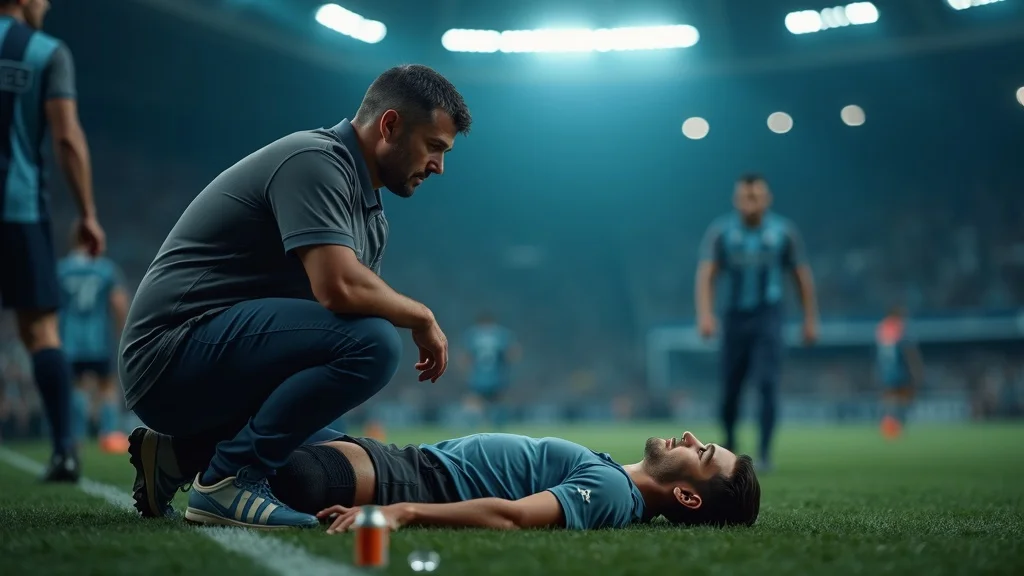
Types of Personal Injury at Sporting Events
- Slips, trips, and falls in stadiums
- Spectator injuries from sporting equipment
- Crowd-related incidents
- Player injuries caused by unsafe conditions
- Assaults or altercations at sporting events
Premises Liability and Sporting Event Injury Law Explained
Premises liability is a cornerstone of injury law when it comes to sporting events. In legal terms, it refers to the duty that a property owner—such as a stadium or arena management company—owes to visitors. When you buy a ticket to a ball game or a World Cup match in Atlanta, you are placing trust in the event organizers to provide a reasonably safe environment. If you are injured due to unsafe conditions, hazardous walkways, missing safety features like protective netting, or poorly managed crowds, you may have grounds for a premises liability claim.
Understanding how premises liability applies to sporting event injuries means knowing what is considered “reasonable” in terms of prevention and maintenance. Not all injuries at large events are legally actionable—sometimes, risk is inherent to the experience. However, if negligence or disregard for safety contributed to your injury, you may be entitled to pursue compensation. Consulting with an experienced injury lawyer is vital to assess whether your legal options are viable in your specific case.
Premises Liability Law: Stadium Owners’ Responsibility
Stadium owners and operators carry significant legal responsibility when hosting public events. Under premises liability law, these entities must regularly inspect and address potential hazards, from slick concourse floors to broken handrails and inadequate lighting. Failure to do so—and to post clear warnings or barriers—can constitute negligence and open the door to legitimate injury claims by those injured at a sporting event. This concept is especially relevant as venues prepare for major international competitions like the World Cup in Atlanta, where the sheer number of attendees increases both the risk and the liability.
Venue owners are not only responsible for the physical state of their property but also for ensuring that appropriate safety protocols are communicated to fans and athletes. Warning signs about foul balls, clear evacuation procedures, and accessibility for emergency medical services all play into the equation. If negligence can be proven—for example, if broken seating is left unrepaired or dangerous crowding goes unmanaged—injury cases may move forward under premises liability law.

Assumption of Risk at Sporting Events: What Does It Mean?
One of the most debated aspects of injury law is the “assumption of risk” doctrine. By attending a sporting event—whether as a player or as a fan—individuals are generally considered to have accepted certain inherent risks (like being hit by a foul ball during a baseball game). This legal concept acknowledges that, despite reasonable safety measures, some hazards are unavoidable and known in advance. However, assumption of risk doesn’t give property owners or event organizers a “free pass” when it comes to preventable negligence.
For example, if a fan is injured by a flying puck at a hockey game but the venue failed to install required protective netting, the owner may still be liable, since the risk was made unreasonably high by their inaction. Likewise, this principle doesn’t excuse injuries caused by crowd mismanagement, defective equipment, or assaults. Understanding the balance between assumed risk and liability—and when liability law holds a party responsible even with assumed risk present—is essential for anyone pursuing compensation for injuries caused at sporting events.
Legal Options after Personal Injury at Sporting Events
If you’ve been injured at a sporting event, you may have several legal options at your disposal. The path toward securing the compensation you deserve depends on identifying who was at fault, the severity and impact of the injury, and how quickly you take action. An injury lawyer with expertise in sports event incidents can help you evaluate your legal claims, navigate complex liability issues, and determine whether your injury falls under premises liability, negligence, or intentional harm. In many cases, pursuing a personal injury claim or even legal action soon after the event preserves evidence and strengthens your position with insurance companies and courts.
Even if your injury seems minor at first, it’s important to document everything—the scene of the incident, the contact details of witnesses, and any records of medical treatment. This evidence is invaluable to both law firms and injury lawyers trying to establish the facts of your injury case. Acting quickly improves your legal options and ensures better chances of reaching a fair settlement or judgment.
When to Consult a Personal Injury Lawyer
Not every injury at a sporting event requires a court case. However, consulting with a personal injury lawyer becomes critical when the circumstances suggest possible negligence, defective equipment, inadequate crowd management, or assault. Experienced attorneys understand the nuances of both premises liability and the assumption of risk, and can evaluate if your situation warrants a formal injury claim or lawsuit. They also know how to deal with insurance companies, negotiate settlements, and protect your rights as an injured person.
If your injury led to lost wages, significant medical bills, or lasting physical or emotional effects, don’t hesitate to explore your legal options. A law firm specializing in sports injuries often offers a free consultation to help you decide your next steps without financial pressure.
“Seeking legal advice promptly after sustaining a personal injury at a sporting event can make a significant difference in the outcome of your claim.” — Expert Injury Lawyer
Steps to Take Immediately After Being Injured at a Sporting Event
- Document the scene and injury
- Report the incident to stadium or event staff
- Seek immediate medical attention
- Preserve tickets and receipts
- Collect contact information of witnesses
Taking the above steps swiftly after being injured at a sporting event increases your ability to support an injury claim, defend your rights, and obtain fair compensation for the harm suffered. The process can be daunting, especially in the stressful environment of a sports venue, but thorough documentation is critical when pursuing any liability claim.

Navigating Insurance and Settlement in Personal Injury at Sporting Events
After initiating a personal injury claim, you will likely interact with insurance companies representing the stadium, event organizers, or other liable parties. Understanding how settlements are structured—and when to accept or challenge an offer—is a crucial part of securing fair compensation. Insurance adjusters may seek to minimize payouts by arguing that injuries resulted from assumed risk or that the evidence is insufficient. This is where an injury lawyer’s negotiation skills and familiarity with injury law prove invaluable.
Settlements are designed to resolve injury cases without lengthy litigation, but accepting a quick “lowball” offer may leave you without the resources needed for extended medical care or lost income. Review every document carefully, ask questions, and seek legal advice before agreeing to any terms.
Understanding Settlement Offers for Injuries Caused at Sporting Events
| Type of Injury | Potential Responsible Party | Typical Legal Response |
|---|---|---|
| Slip/Fall | Stadium Owner | Premises Liability |
| Equipment-Related | Team/Event Organizer | Negligence |
| Assault | Individual/Security | Personal Liability |
Each type of injury has its unique path toward resolution and a different calculation for potential settlements. Using an injury lawyer ensures you understand what compensation you deserve, how much may be deducted for legal fees, and how to handle ongoing negotiations with insurance companies.
People Also Ask
How much will I get from a $25,000 settlement?

Settlement amounts for personal injury at sporting events depend on the severity of the injuries, liability findings, and specific circumstances. Lawyers can help clarify potential net payouts after legal fees and expenses, ensuring you understand the actual amount you receive from a $25,000 settlement.
Can you sue someone for hurting you in a sport?
Yes, you may sue if the injury resulted from reckless or intentional behavior beyond the normal scope of the sport, or if premises liability or equipment failure played a role. Legal action is appropriate if someone’s conduct goes beyond assumed risk and constitutes legal negligence or intentional harm.
What are the 12 common sports injuries?
Common sports injuries include sprains, strains, fractures, concussions, dislocations, contusions, shin splints, tendonitis, ACL tears, groin pulls, hamstring injuries, and rotator cuff injuries. These can be sustained by both fans (in crowd incidents) and athletes (from play or insufficient safety).
Is it worth suing for pain and suffering?
Suing for pain and suffering in personal injury at sporting events cases may be worth it if your injuries have caused significant physical or emotional distress. A personal injury lawyer can assess your claim’s merit and advise whether pursuing this type of compensation is recommended in your situation.
Top Tips for Fans and Athletes: Reducing Your Risk of Personal Injury at Sporting Events
- Pay attention to safety announcements
- Avoid reckless behavior in crowds
- Be aware of your surroundings—watch for flying equipment
- Know the layout and exits of large sporting event venues
Implementing these tips can drastically reduce the risk of injury for sports fans and athletes during major events like the World Cup in Atlanta. Being a proactive participant, rather than a passive observer, allows you to enjoy sporting events safely and confidently.

FAQs on Personal Injury at Sporting Events
What is the statute of limitations for personal injury at sporting events?
The statute of limitations varies depending on your state and the circumstances of your injury. It typically ranges from one to four years from the date of the incident. Consulting a local personal injury lawyer as soon as possible ensures your injury claim is filed in time.
Who is liable if a fan is hurt by a ball or puck?
Liability depends on whether the venue took adequate steps to warn fans and reduce foreseeable risks such as those from foul balls or flying pucks. If protective netting was missing or insufficient warnings were given, the stadium owner or organizer may face premises liability claims.
What evidence is needed to pursue a personal injury claim from a sporting event?
Key evidence includes photographs or videos of the accident scene, medical reports detailing your injuries, eyewitness statements, saved tickets, and records of communications with stadium staff or event organizers. Detailed documentation supports a stronger injury case.
Key Takeaways for Personal Injury at Sporting Events
- Personal injury at sporting events can have complex liability factors
- Both spectators and athletes should take precautions
- Consult a personal injury lawyer when unsure about your rights
- Understanding premises liability and assumption of risk is crucial
Whether You’re a Fan or Player—Know Your Options
To find out more contact us at www.creativeinnovators.net
Personal injury at sporting events is complex—protect yourself by understanding your rights, acting fast, and consulting experienced legal professionals.
If you’re interested in expanding your understanding of legal strategies and best practices beyond sporting event injuries, consider exploring the broader landscape of personal injury law and how it intersects with public safety. The Authority Network offers a wealth of resources on legal rights, actionable advice, and emerging trends that can empower you to make informed decisions—whether you’re a fan, athlete, or advocate. Delving into these insights can help you stay ahead of potential risks and ensure you’re prepared for any situation. Take the next step in safeguarding your well-being and legal interests by tapping into expert guidance and comprehensive legal knowledge.





Write A Comment